

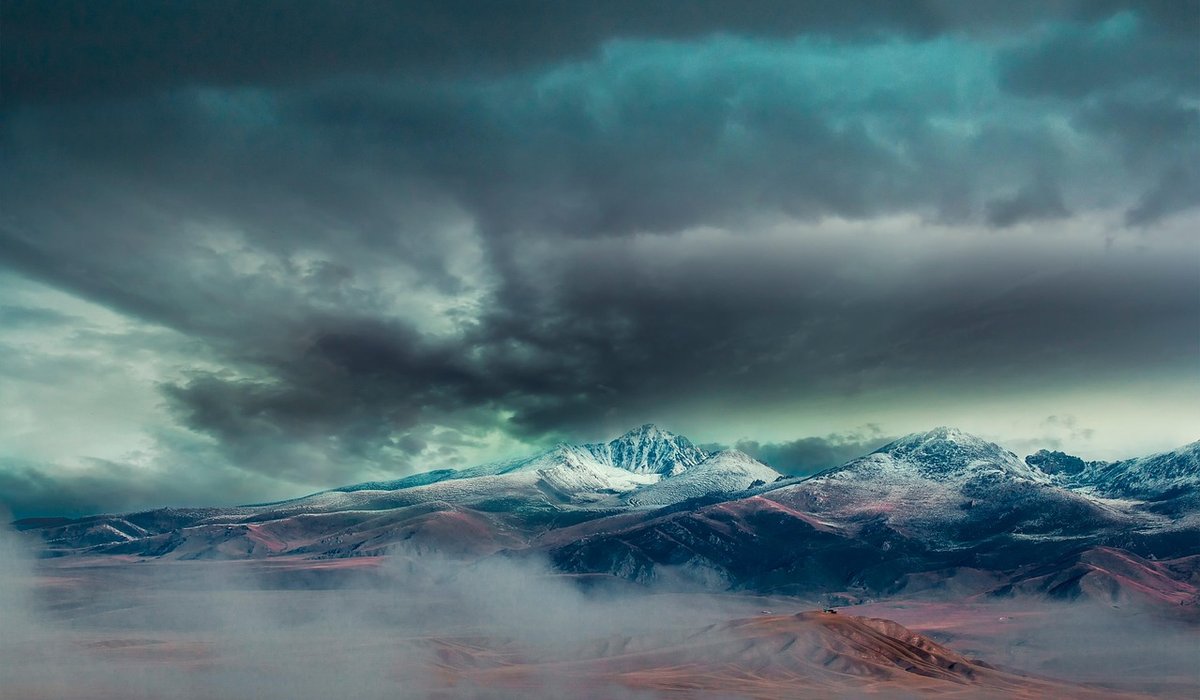
Scotland: the closest thing to a legal right
Scotland is the only part of the UK where wild camping is a genuine legal right rather than something you quietly hope nobody notices. The Land Reform (Scotland) Act 2003 grants everyone responsible access to most land and inland water, and that includes lightweight, short-stay camping on unenclosed land. In practice this means small groups, one or two nights in the same spot, and everything carried in and carried out. You cannot camp in enclosed fields of crops or grazing livestock, on land where a byelaw applies, or within the camping management areas covering parts of Loch Lomond and the Trossachs between March and September, where a permit booked in advance is required. The Scottish Outdoor Access Code is worth reading once; it is short, sensible, and settles most arguments before they start.
England and Wales: permission is the default
South of the border the picture is starker. The Countryside and Rights of Way Act 2000 gave us access on foot to vast areas of open country — mountain, moor, heath, down and registered common land — but that right expressly excludes camping. You can walk, sit, eat your sandwiches and admire the view for hours. You cannot legally pitch a tent for the night without the landowner's permission. Water company reservoir estates, forestry land and many nature reserves add their own byelaws on top, and those byelaws are enforced. If you want to camp on someone's land, ask. Farmers and estate managers say yes far more often than walkers assume, particularly if you are a small group, explain where you plan to pitch, and offer to clear up afterwards.
Dartmoor: the exception that has shifted
For decades Dartmoor was England's anomaly, with a long-standing tradition of backpack camping on certain commons. After a legal challenge, that position was clarified in the courts, and the old assumption of an unqualified right no longer holds. The national park authority now works with commoners and landowners on a permissive arrangement, meaning camping is allowed on specified commons, in limited numbers, subject to conditions and, in some places, a permit. The details are revised from time to time, so check the park's current guidance before you travel rather than relying on a forum post from three years ago. It is a neat illustration of how fragile these arrangements are, and why behaving well matters.
Northern Ireland and the remaining grey areas
Northern Ireland has no general right to wild camp on private or public land. Some forest parks and council-managed sites offer basic camping or permit-based pitches, and a handful of coastal spots have permissive arrangements, but the default is once again to ask first. Beyond that, plenty of Britain sits in a grey zone: a remote corner of a national park where a discreet overnight bivvy has long been tolerated but is not actually lawful. Tolerance is not permission, and it can be withdrawn for everyone by one thoughtless party.
Rules that protect the places we love
- Arrive late, leave early. A tent up at dusk and gone by breakfast bothers nobody.
- Keep groups small. Two or three is plenty; a dozen noisy tents is a festival.
- One night only in the same spot, then move on.
- No fires. Stoves only. Peat, dry grass and pine litter catch terrifyingly fast, and the scar lasts for years.
- Bury human waste at least 30 metres from water, in a hole 15–20cm deep, and carry the paper out. Bring a trowel.
- Take everything home, including the things you did not bring.
- Give livestock and wildlife room. Shut gates, keep dogs under control, and avoid nesting and lambing areas in spring.
Before you go: a short practical checklist
Work out whose land you are on, and whether camping there is a right, a permission or a prohibition. In Scotland, check whether your intended pitch falls inside a camping management area. In England, Wales and Northern Ireland, decide whether you are prepared to ask, or whether a small quiet campsite, a bothy or a bunkhouse suits the night better. Bothies, maintained by volunteers, are free and open to all, but they are basic shelters with a shared etiquette of their own — arrive late, leave clean, and never assume there will be space. Overnight parking is its own subject: many laybys and beauty spots now ban it, so do not assume a van counts as wild camping. Whatever you choose, plan around water sources and weather, tell someone your route, and carry the kit you would want if the cloud came down. Access in Britain is a privilege largely built on trust. Camp well, and the next walker inherits the same welcome.


Coding is used in almost all aspects of life and work now, be it directly or indirectly. It’s not just for companies in the tech sector. “An increasing number of businesses rely on computer code,
Coding is used in almost all aspects of life and work now, be it directly or indirectly. It’s not just for companies in the tech sector. “An increasing number of businesses rely on computer code,
Coding is used in almost all aspects of life and work now, be it directly or indirectly. It’s not just for companies in the tech sector. “An increasing number of businesses rely on computer code,