

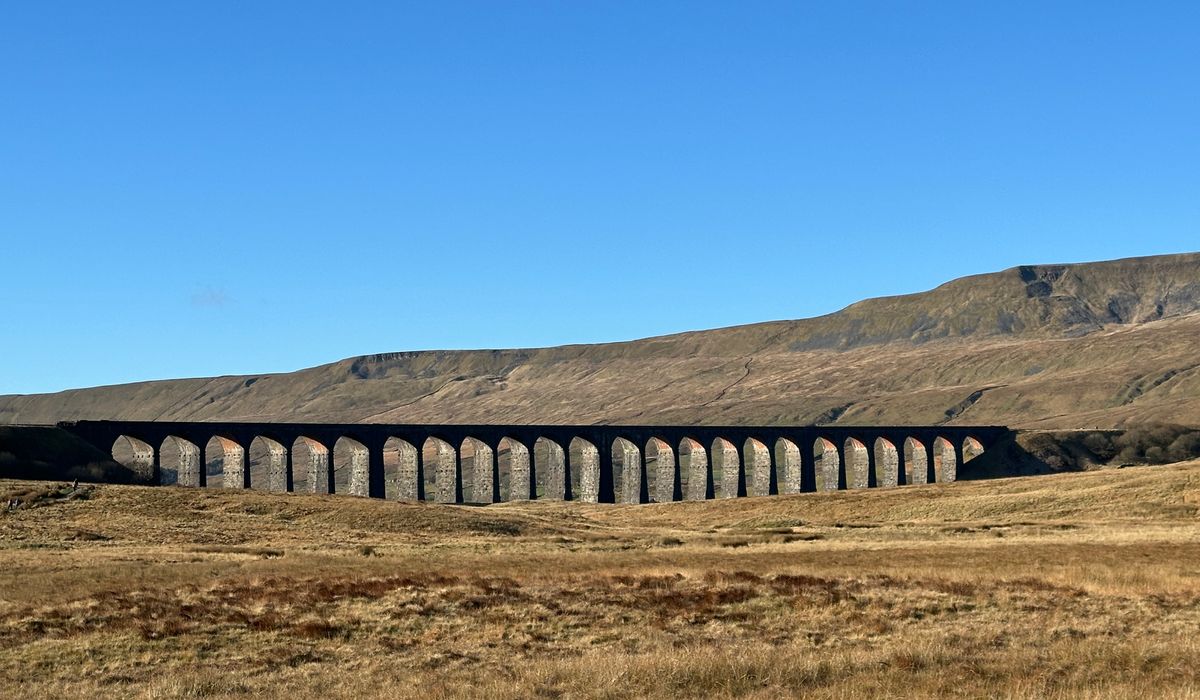
The fells offer some of the finest walking in the UK, but they can turn from benign to brutal in minutes. A clear morning on the Lakeland tops can become a whiteout by lunchtime. A simple ankle twist on a remote path can leave you stationary and cooling fast. Carrying a small emergency kit is not about expecting catastrophe. It is about having the confidence to enjoy the day, knowing you can handle an unexpected stop.
Why a Little Extra Weight Is Worth It
Most fell walkers carry water, food, and waterproofs. Fewer carry a shelter or survival bag. Yet these items weigh very little for the protection they offer. The two main risks are hypothermia and benightment. Hypothermia can begin when you stop moving in wet, windy conditions, even in summer. Benightment means being caught out after dark, turning a straightforward path into a navigation challenge. A group shelter, survival bag, torch, and basic first aid kit add perhaps one to two kilogrammes. That is a small price for a huge gain in safety.
Group Shelters and Bothy Bags
A bothy bag is a lightweight nylon bag you pull over your head and sit inside. It traps body heat and blocks wind. Look for a two-person version if you walk alone or in a pair, and a four-person version for larger groups. A good two-person bothy bag weighs around 300 to 400 grammes and packs to the size of a large apple.
To use one, sit on your rucksack with your boots off, pull the bag over you, and tuck the edges under. Leave a small gap for ventilation. Talk to companions, share a hot drink, and decide your next move. The shelter buys time and keeps you warm while you think. Practise putting it on in your garden so you are not fumbling in a gale.
Survival Bags: Your Last Line of Defence
A survival bag is a large, bright orange plastic bag you climb into. Unlike a bothy bag, it is not for sitting up and chatting. It is a last resort when someone is injured, exhausted, or hypothermic and cannot move. The bag reflects heat, blocks wind and rain, and can wrap a casualty while you wait for help.
Survival bags are cheap, very light, and take up little space. Keep yours in a pocket or at the top of your rucksack. A survival bag is not a sleeping bag. It does not breathe well, so condensation builds up inside. Use it only when necessary, and get the person out of wet clothing and into dry layers first. A foil blanket is a poor substitute; it tears easily and offers little insulation underneath.
Torches, Spare Batteries, and a Whistle
A head torch is essential on any fell walk, even if you plan to be back before dark. Choose one with at least 200 lumens and fresh batteries. Carry spare batteries and keep them in a dry bag. Cold drains batteries quickly, so keep your torch inside your jacket when not in use.
A whistle is another simple lifesaver. Attach it to your rucksack strap where you can reach it without taking your bag off. Six short blasts is the international distress signal. A mobile phone is useful, but do not rely on it. Signal is patchy, and a cold battery can die even when it shows charge. A paper map and compass remain your most reliable navigation tools.
First Aid and the Small Things That Matter
Your first aid kit should cover the likely problems. Include blister plasters, adhesive dressings, zinc oxide tape, antiseptic wipes, and painkillers. Carry any personal medication, such as an inhaler or antihistamines. A small pair of scissors and tweezers are handy too.
- Emergency blanket: a foil blanket to wrap a casualty while you prepare the survival bag.
- Spare warm layers: a hat, gloves, and a spare fleece in a dry bag.
- Emergency food: a couple of cereal bars or nuts you do not eat unless needed.
- Water: an extra half litre in a sturdy bottle.
- Repair kit: cable ties, a metre of duct tape, and a spare bootlace.
Packing and Practising Your Emergency Kit
Keep your emergency kit in a single dry bag so you can grab it quickly. Store it near the top of your rucksack. Check it at the start of every season. Replace batteries, check the survival bag is not torn, and restock your first aid kit. If you walk regularly, consider two kits: one for summer day walks and a fuller one for winter or longer routes.
Finally, tell someone where you are going and when you expect to be back. Stick to your plan or let them know if you change it. The best emergency kit is the one you never need, but carrying it means you can walk with a lighter heart. The fells reward preparation. A little thought before you set off makes the wild places feel more welcoming, not less.


Coding is used in almost all aspects of life and work now, be it directly or indirectly. It’s not just for companies in the tech sector. “An increasing number of businesses rely on computer code,
Coding is used in almost all aspects of life and work now, be it directly or indirectly. It’s not just for companies in the tech sector. “An increasing number of businesses rely on computer code,
Coding is used in almost all aspects of life and work now, be it directly or indirectly. It’s not just for companies in the tech sector. “An increasing number of businesses rely on computer code,