

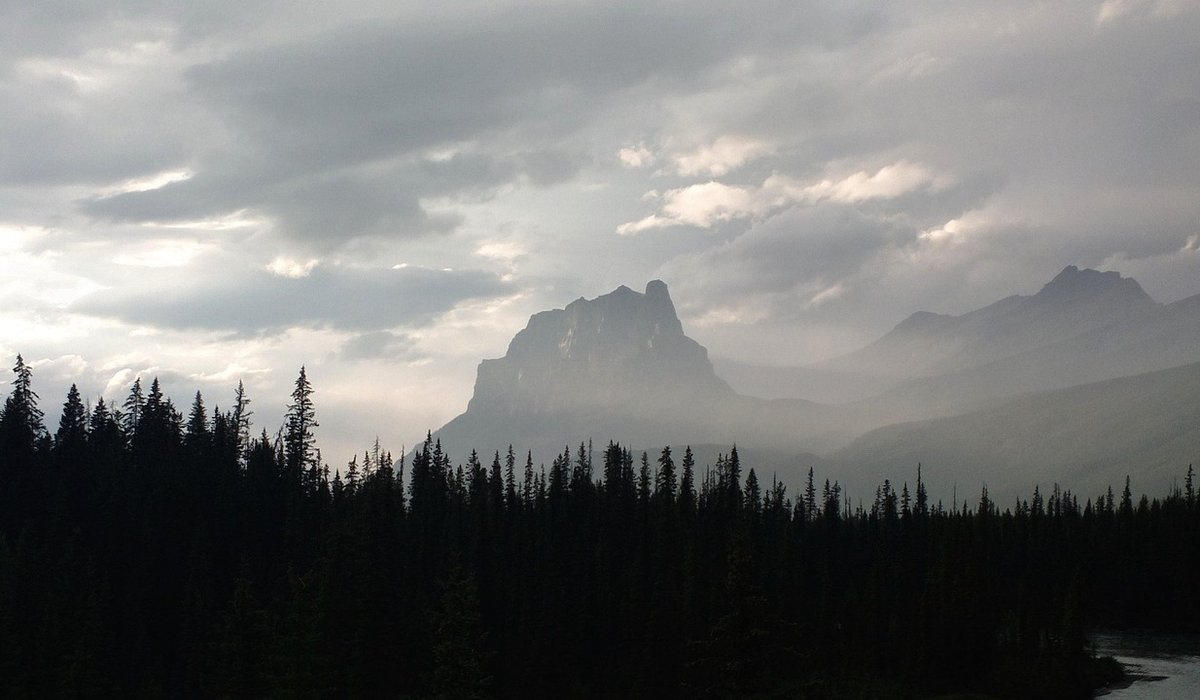
Why the tent matters more up on the hill
Down in the valley a tent is simply somewhere to sleep. Above the intake wall, halfway up a Lakeland fell with cloud coming in sideways, it becomes your shelter, your kitchen and your only real defence against a night that can turn properly nasty. British hill camping asks questions a summer campsite never will: forty-mile-an-hour gusts funnelling down a col, rain arriving horizontally, ground that is either bog or rock with very little in between.
The good news is that you do not need to spend a fortune or carry four kilos to stay comfortable. Lightweight tents have improved enormously, and two kilos is now a realistic target for a genuinely storm-worthy two-person shelter. The trick is knowing where the compromises have been made, and whether you can live with them.
Stability is the real test
Wind, not rain, is what destroys tents on British hills. A design that shrugs off a gusty night in the Peak District will be the one you are glad of on a Cairngorm plateau.
- Shape. Geodesic and cross-pole designs resist wind from more than one direction. Tunnels are lighter and quicker to pitch, but want to be end-on to the wind and need every peg to hold — a mid-point cross pole transforms them.
- Panel size. Several smaller panels and plenty of guy points shed wind far better than one big slab of fabric. Use all the guys when a blow is forecast; a tent that flogs itself all night is the classic failure.
- Poles. Not all poles of the same diameter are equal. Look for decent aluminium rather than cheap, whippy stuff, and a design where poles cross rather than just bend.
- Fabric. Silicone-coated nylon is light and strong but sags when wet, so you may need to re-tension at midnight. Polyester-based fabrics sag far less and stay taut. Laminated fabrics are lighter again, but cost a great deal and are noisier in a gale.
- Trekking pole shelters. Superb value in weight terms, but they rely completely on a good pitch and solid anchors. They are not the lazy option.
Space, porches and living with a small tent
Ignore the "sleeps two" label and look at the inner dimensions. Two 60cm-wide mats side by side need roughly 125cm of internal width, and many two-person tents give you less than that. Check the length too: anyone over about six foot will want a 2.2m inner, and sloping foot ends steal space surprisingly quickly.
A porch is worth more than it sounds. It gives you somewhere to cook out of the weather, to leave wet boots and a dripping rucksack, and to sit up and pull your trousers on without performing gymnastics. Two doors and two porches make a shared tent far more civilised — nobody has to climb over anybody at two in the morning. Headroom matters on a long wet evening too, so sit up in the tent before you buy it if you possibly can.
Packed size, pegs and the weight you actually carry
Aim for 2–2.5kg for a two-person tent and 1.2–1.8kg for a solo one. Beyond that, think about bulk as much as mass. A tent that packs to a 45cm by 15cm cylinder slides happily into a 50-litre rucksack alongside a sleeping bag and stove; a bulky one forces you into a bigger pack, which adds weight anyway. If there are two of you, split the load — fly and poles with one person, inner and pegs with the other.
Then throw away the pegs that came in the bag. They are almost always heavy and useless. Build a mixed set instead:
- Six to eight light alloy or titanium pegs for general ground.
- Two or three longer, wider pegs for peat and soft, boggy ground.
- A couple of wire or rock-friendly pegs for thin soil over rock.
A lightweight footprint or groundsheet protects the base and lets you pitch on rougher ground, and a small square of thin plastic does the same job for pennies.
Pitching in wind and rain
Practise at home in the garden before you have to do it in the dark with the rain coming in. Fly-first or all-in-one pitching keeps the inner dry, which is worth a great deal on a wet British hill.
Choose your spot with care: a flat shelf behind a boulder beats an exposed summit every time. Stay away from hollows where water pools, and avoid pitching on a col where the wind accelerates. Pitch the lowest, strongest end into the wind with the door downwind, peg the windward corners first while keeping your body between the tent and the gust, and weigh the corners down with your pack while you sort out the poles. Angle pegs at about 45 degrees away from the tent, and back them up with rocks where the ground is thin.
Matching the tent to the trip
For short summer trips and low-level camps, a light single-hoop or tunnel tent is plenty. For multi-day routes across exposed ground, spend the extra grams on a design with more guy points and a stronger pole structure. If you camp through the winter, borrow, hire or buy a proper four-season shelter — a lightweight summer tent simply will not cope with a Scottish winter.
Buy once, buy well, and pitch it a few times before you rely on it. A tent you trust completely is what lets you enjoy the hill rather than lie awake counting the gusts.


Coding is used in almost all aspects of life and work now, be it directly or indirectly. It’s not just for companies in the tech sector. “An increasing number of businesses rely on computer code,
Coding is used in almost all aspects of life and work now, be it directly or indirectly. It’s not just for companies in the tech sector. “An increasing number of businesses rely on computer code,
Coding is used in almost all aspects of life and work now, be it directly or indirectly. It’s not just for companies in the tech sector. “An increasing number of businesses rely on computer code,