

Why a Wet Day Rewards a Lower Route
There is a particular disappointment in waking in Keswick or Ambleside to find the fells wearing a grey blanket, cloud sitting at 300 metres and the forecast promising more of the same. The temptation is to write the day off, linger over a second pot of tea and wait for better weather. That would be a mistake. A rainy day in the Lake District reveals a different landscape entirely — becks in spate, waterfalls at their most theatrical, woods that smell of wet moss and leaf mould, and paths mercifully free of the summer crowds.
Low-level walking is not a consolation prize. It is a genuinely different day out, and on the right route it can be every bit as satisfying as a summit. The key is to choose your ground carefully, keep the distances honest, and accept that you will get wet from the knees down whatever you do.
What to Take on a Wet Lakeland Day
Lakeside paths and valley tracks hold water badly, and a route that is firm in July can be ankle-deep in November. A few things make the difference between a cheerful day and a miserable one:
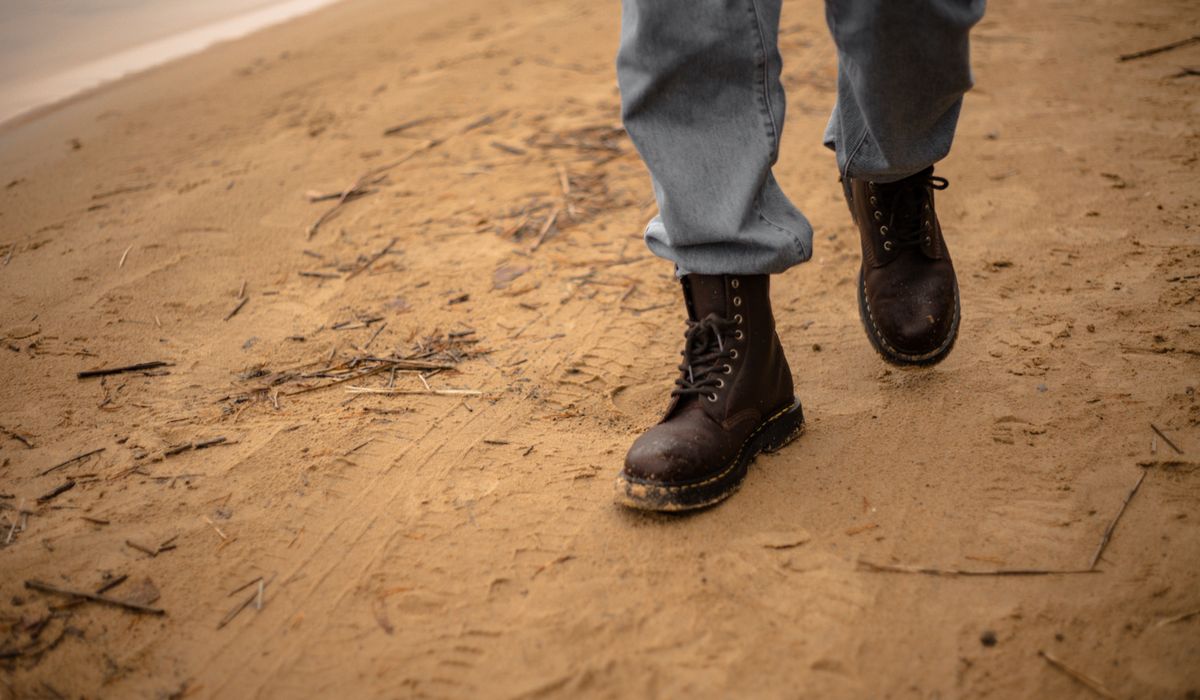
- Waterproof boots with grip — wet slate and polished rock are genuinely treacherous. Leave the trail shoes at home.
- A proper waterproof jacket and over-trousers, not a shower-proof shell. You will be out for three or four hours.
- A dry bag or liner inside your rucksack for spare layers, a flask and your phone.
- Walking poles if you have them — they save you on muddy descents and riverbank steps.
- A paper map in a case. Screens fog up, batteries fade in the cold, and woodland paths can be confusing.
Tell someone where you are going and when you expect to be back, even on a short valley circuit. Mobile signal vanishes in Borrowdale and parts of the Langdales.
Lakeside Circuits That Stay Walkable
The classic is Buttermere, a four-and-a-half-mile circuit of the lake that takes around two hours at an easy pace. It is almost entirely flat, the path is well made, and there is a short tunnel through rock at the Gatesgarth end that delights children and adults alike. In rain the surrounding crags disappear and the lake turns a deep slate grey — atmospheric rather than gloomy.
Derwentwater offers flexibility. The full ten-mile circuit is a proper half-day, but you can simply walk from Keswick to Friar's Crag and on through Great Wood to Strandshag Bay and back, roughly three miles with plenty of shelter. Coniston Water has a fine low path along the eastern shore towards Torver, and Rydal Water can be circled in about three miles from White Moss, though expect mud and a little awkward rock beside the water.
Woodland Trails and Waterfalls
Trees are your friend on a wet day. A canopy breaks the worst of the rain and the paths beneath tend to drain better than open fellside. Grizedale Forest has a network of waymarked trails of varying lengths, and you can walk for an hour or half a day without ever leaving cover. Aira Force on Ullswater is at its dramatic best after heavy rain, with the falls thundering under the stone bridge; the woodland paths above and below are steep in places but short.
In the southern Lakes, the walk from Elterwater to Skelwith Bridge follows the river through woodland and past Colwith Force, a lovely two-mile stretch each way that works in almost any weather. Near Keswick, the paths through Great Wood and around Cockshot Wood give you lake views without committing to the full circuit.
Sheltered Valleys and Old Packhorse Tracks
When the wind is the problem as much as the rain, head into a valley with high sides. Borrowdale is the best of them: the riverside path from Grange to Rosthwaite runs for about two miles beneath trees and beside the River Derwent, and you can extend to Seatoller if the weather lifts. The Great Langdale valley floor, from Elterwater through Chapel Stile, is similarly protected.
One of the loveliest low routes in the Lakes is the old coffin route between Rydal and Grasmere, a gently undulating track through woodland and pasture that linked the two parishes long before the road did. It is around four miles there and back and rarely crowded in the rain.
Practical Tips for a Rainy Day Out
- Start lower and later. Valley car parks fill quickly in high season, so arrive before ten or use a pay-and-display in a village and walk out from there.
- Use public transport or a lake launch to avoid a wet trudge back along the same path. A short boat hop turns a there-and-back into a circuit.
- Watch river levels. Becks rise fast after heavy rain, and stepping stones can be submerged within an hour.
- Carry cash or a card for a tea room at the end. There is no better feeling than peeling off wet waterproofs beside a fire.
- Have a plan B and a plan C. If one valley is socked in, another often is not; the weather varies enormously between the north and south of the national park.
Rain is part of the deal in the Lake District. Dress for it, pick your ground sensibly, and a grey day will still give you something worth remembering.


Coding is used in almost all aspects of life and work now, be it directly or indirectly. It’s not just for companies in the tech sector. “An increasing number of businesses rely on computer code,
Coding is used in almost all aspects of life and work now, be it directly or indirectly. It’s not just for companies in the tech sector. “An increasing number of businesses rely on computer code,
Coding is used in almost all aspects of life and work now, be it directly or indirectly. It’s not just for companies in the tech sector. “An increasing number of businesses rely on computer code,